

Different Types of Silver Clay Explained
A Complete Guide to Silver Clay Jewellery
By Louise Anne Designs
Silver clay jewellery has become increasingly popular over the past two decades, revolutionising the way jewellery is designed and made. From beginners discovering silver clay for the first time to professional jewellers expanding their skill set, silver clay offers a unique combination of accessibility, creativity, and professional-quality results.
However, one of the most common questions people ask when starting their silver clay journey is: “Which type of silver clay should I use?”
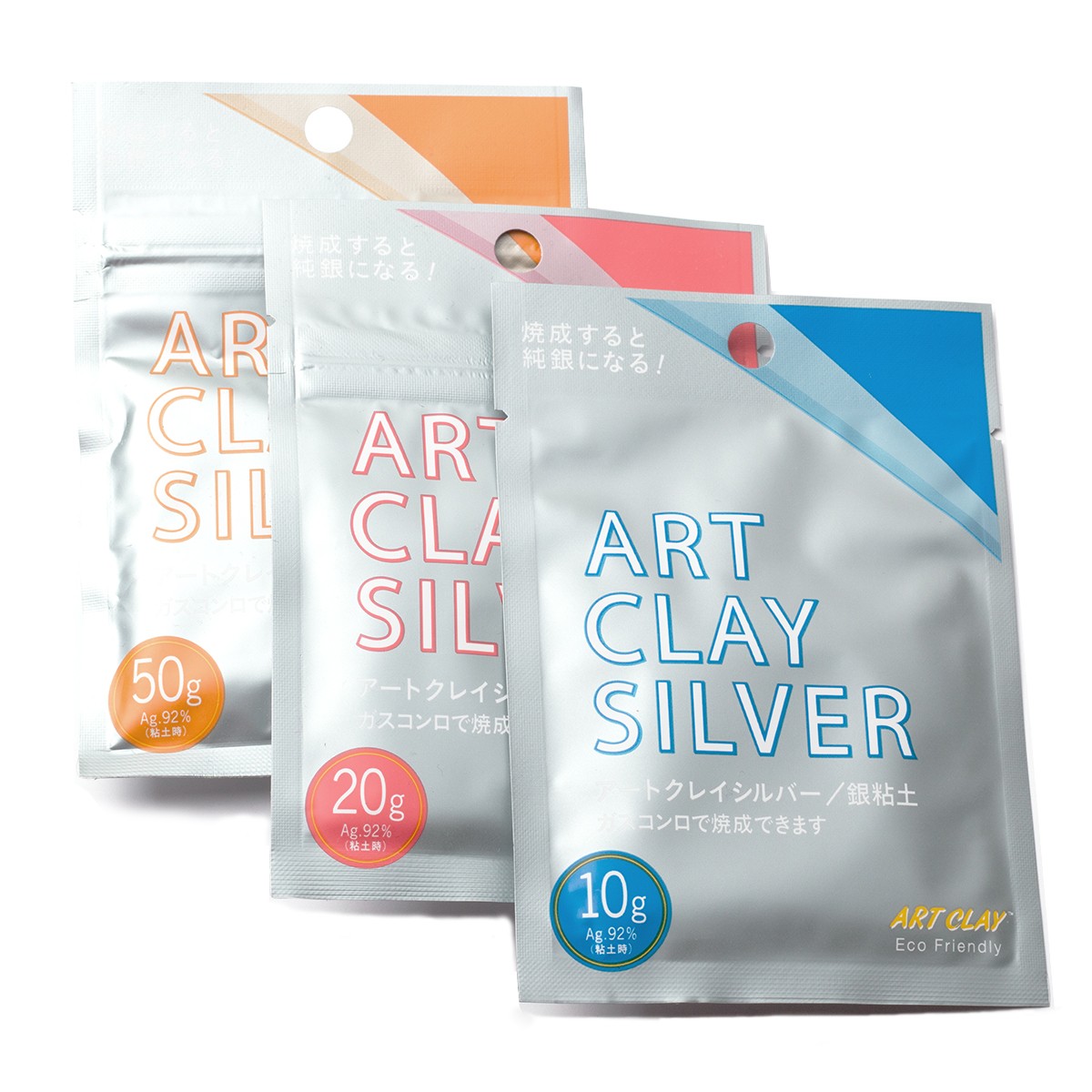
| There are many different types of silver clay available, and understanding the differences between them is essential if you want to create strong, long-lasting silver clay jewellery. Each type of silver clay has its own firing requirements, working properties, and ideal applications. Choosing the right silver clay for your jewellery designs can make a significant difference to both the making process and the finished piece. |
|
In this guide, I will explain the main types of silver clay, how they differ, and how to choose the best silver clay for your jewellery projects.
What Is Silver Clay?
Silver clay is a versatile jewellery-making material made from microscopic particles of silver combined with water and an organic binder. When shaped, dried, and fired at high temperatures, the binder burns away and the silver particles fuse together, creating solid metal.
This process allows makers to create real silver jewellery using clay-like techniques rather than traditional silversmithing methods. Once fired, silver clay jewellery can be finished, polished, set with stones, and worn just like any other silver jewellery.
|
Silver clay is particularly appealing because it allows for:
|
 |
Why Are There Different Types of Silver Clay?
Not all silver clay jewellery is created in the same way. Different silver clays have been developed to offer varying levels of strength, flexibility, firing options, and durability.
The main differences between silver clay types include:
-
Silver purity
-
Strength after firing
-
Firing temperature and time
-
Whether a kiln is required
-
Suitability for specific jewellery types
Understanding these differences helps you select the best silver clay for rings, earrings, pendants, or statement jewellery.
Fine Silver Clay
What Is Fine Silver Clay?
Fine silver clay was the first silver clay ever developed and remains one of the most widely used materials in silver clay jewellery making. It is made from 99.9% pure silver, also known as fine silver.
Because it contains no copper, fine silver clay behaves differently from sterling silver and is especially popular with beginners and jewellery artists who focus on decorative or organic designs.
 |
Silver clay is particularly appealing because it allows for:
|
Fine silver clay jewellery can often be fired using a handheld blow torch, making it accessible for people who do not yet own a kiln.
Advantages of Fine Silver Clay Jewellery
Fine silver clay is ideal for:
-
Earrings
-
Pendants
-
Charms
-
Textured silver jewellery
-
Botanical and organic designs
Its softness makes it easy to shape, carve, and texture, which is why it is commonly used in beginner silver clay jewellery courses.
Sterling Silver Clay
What Is Sterling Silver Clay?
Sterling silver clay was developed to provide a stronger alternative to fine silver clay. It contains silver with a small amount of copper, matching traditional sterling silver used in jewellery making.
This added copper gives sterling silver clay jewellery increased hardness and durability after firing.

Properties of Sterling Silver Clay
Sterling silver composition
-
Stronger and more durable than fine silver
-
Requires kiln firing
-
Two-stage firing process
-
Slightly higher shrinkage
Unlike fine silver clay, sterling silver clay cannot be torch fired and must be fired in a kiln using carefully controlled temperatures.
Why Choose Sterling Silver Clay?
Sterling silver clay is ideal for:
-
Silver clay rings
-
Bangles and cuffs
Once fired and finished, sterling silver clay jewellery behaves much like traditionally fabricated sterling silver.
Challenges of Sterling Silver Clay Jewellery
The more complex firing schedule can feel daunting, particularly for beginners. For this reason, many people prefer to learn sterling silver clay jewellery making through structured workshops or diploma courses, where kiln firing is fully supported.
Flexible Silver Clay
Flexible silver clay is a variation of fine silver clay that remains slightly bendable after drying. This unique property allows jewellery makers to create extremely thin and delicate silver clay jewellery designs.
Flexible silver clay is commonly used for:
-
Leaf jewellery
-
Quilling techniques
-
Folded and layered designs
-
Lightweight statement earrings
Once fired, flexible silver clay becomes solid fine silver.
Silver Clay Paste and Syringe Clay
Silver Clay Paste
Silver clay paste is an essential material in silver clay jewellery making. It is used for:
-
Joining silver clay components
-
Repairing cracks
-
Embedding findings
-
Adding surface detail
Paste ensures strong joins and professional finishes in handmade silver clay jewellery.
Syringe Silver Clay
Syringe silver clay allows makers to apply silver in fine lines. It is ideal for:
-
Decorative line work
-
Filigree-style jewellery
-
Writing and drawing with silver
After firing, syringe work becomes solid silver, adding texture and depth.
Low-Fire vs High-Fire Silver Clay

Silver clay jewellery can be made using either low-fire or high-fire silver clays.
-
Low-fire silver clay is quick to fire and often suitable for torch firing
-
High-fire silver clay requires higher temperatures and kiln firing but produces stronger results
Choosing the right firing option depends on your equipment, experience, and the type of jewellery you wish to create.
Choosing the Best Silver Clay for Jewellery Making
When choosing silver clay for jewellery, consider:
-
The type of jewellery you are making
-
How often it will be worn
-
Whether you have access to a kiln
-
Your level of experience
Learning Silver Clay Jewellery Making

Silver clay jewellery making is a skill that benefits enormously from professional guidance. Learning about different silver clays, firing schedules, and finishing techniques helps ensure your jewellery is both beautiful and durable.
At Louise Anne Designs, silver clay jewellery is taught through specialist workshops and diploma courses, providing students with a thorough understanding of fine silver clay, sterling silver clay, and advanced silver clay techniques.
Final Thoughts on Silver Clay Jewellery
Silver clay has transformed modern jewellery making, offering endless creative opportunities. Understanding the different types of silver clay allows you to choose the right material for each design, improving both the making experience and the longevity of your jewellery.
Whether you are creating delicate fine silver earrings or robust sterling silver rings, selecting the correct silver clay is the foundation of successful silver clay jewellery.
Louise Anne Designs' Studio
