

Making Silver Jewellery using various techniques including Creative Silver Clay
| Silver jewellery has been cherished for centuries — from ancient ornamentation and ceremonial pieces to contemporary statement wear and sentimental keepsakes. While the allure of silver is timeless, the ways of crafting it are beautifully diverse. Whether you’re a curious beginner, a hobbyist, or a serious maker, there’s a method that can open the door to creating your own stunning silver pieces. |

|
In this guide, we’ll explore the various techniques used to make silver jewellery, finishing with an in-depth look at silver clay — a welcoming and highly creative medium that Louise Anne Designs offers hands-on classes for beginners and seasoned makers alike.
1. Traditional Silversmithing: Metal by Hand

|
When people think of handmade silver jewellery, traditional silversmithing is often what comes to mind. This is the foundational way most jewellers learn the craft, and it involves shaping and joining metal through tools and heat. |
🔹 Cutting & Forming
-
Sheet and wire silver are the basic raw materials.
-
Jewellers use hand saws, files, hammers, and forming tools to cut, bend and shape metal.
-
This is how simple rings, bands, pendants, and textured forms begin. These techniques are taught in basic silversmithing workshops.
🔹 Soldering
-
Soldering joins pieces of silver together such as attaching a jump ring to a pendant bail or constructing a layered design.
-
Flux and a jeweller’s torch melt the solder to fuse parts securely.
🔹 Filing & Polishing
-
After shaping and soldering, filing smooths edges, and polishing brings out the metal’s shine.
These core skills form the backbone of many jewellery classes, and they give makers complete control over form and finish. They’re ideal for anyone who wants to fabricate pieces from raw metal — whether simple or elaborate.
2. Lost-Wax Casting: Sculpting First, Casting Later
Lost-wax casting is a very old technique that allows for highly detailed and repeatable designs.
🔹 How It Works
-
Carve or sculpt a design in wax (often with pencil-like tools or soft carving blocks).
-
Surround the wax piece in a heat-resistant investment material.
-
Heat the investment to burn out the wax — leaving a hollow mould.
-
Pour molten silver into the mould.
-
When cooled, break away the investment to reveal your solid silver piece.
| This method is wonderful for intricate rings, charms, or sculptural pieces that would be hard to fabricate directly in metal. It’s also scalable for producing multiples of the same design. |
|
3. Silver Clay (Precious Metal Clay) — Creativity Unleashed
This is where things get especially exciting for beginners and experienced makers alike.
What Is Silver Clay?
|
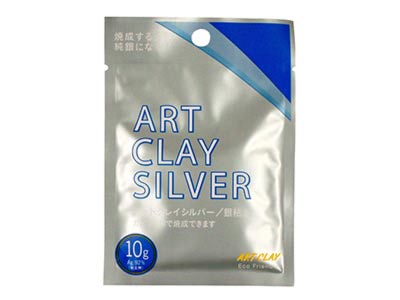
Silver clay is a soft, clay-like material made of fine silver particles and a temporary organic binder. You shape and texture it like clay, and after firing (in a kiln or with a torch), the binder burns away, and the remaining metal particles fuse into solid pure silver. This means you can hand-form, impress, mould, and create beautiful silver jewellery without heavy metal tools or soldering. |
 |
Why Silver Clay Is So Popular
-
Beginner-friendly: You don’t need metalworking skills to make interesting shapes.
-
Unlimited shapes: From organic forms to bold geometric pieces, silk textures to natural imprints — creativity is your limit.
-
Cleaner process: No soldering is required, and tools can be simple and accessible.
-
Take-home pieces: After firing and polishing, you leave with ready-to-wear jewellery.
4. Texturing, Moulding & Design with Silver Clay
Silver clay’s biggest strength lies in how you can design with it:
🔸 Impressions from Nature
Press leaves, flowers, lace, or other textures into the clay before it dries to capture intricate surface detail — a technique popular in nature-inspired collections.
🔸 Moulds & Stamps
Use silicone moulds or carved stamps to replicate detailed shapes or patterns in your clay pieces.
🔸 Combining Materials
It’s also possible to embed other decorative elements like glass, enamel, or stones into silver clay pieces (depending on the fire-temperature compatibility - refer to the blog explaining how to set stones in silver clay).
🔸 Layering & Sculpting
Because clay is pliable, you can layer pieces, create relief surfaces, or build up 3-D components — techniques that are harder to achieve in solid sheet silver without advanced tools.
Overall, silver clay elevates jewellery making from a technical metal craft to almost sculptural jewellery art.
5. Silver Clay Classes at Louise Anne Designs
 |
At Louise Anne Designs, silver clay isn’t just something you read about — it’s something you can experience hands-on in beautifully guided workshops. |
🪄 Silver Clay Intro & Full-Day Courses
Louise teaches full-day sessions where students create multiple silver pieces — pendants, charms, and earrings — using silver clay. You’ll learn how to shape, texture, dry, fire the clay into pure silver, and finish pieces to a professional standard.
Students love the process of watching soft clay become solid, shimmering silver — an almost magical transformation.
🎨 Botanical Silver Jewellery
One popular course focuses on combining elements from nature — such as leaves, seed heads, or shells — with silver clay to make jewellery with real natural impressions. This class is tailored for both beginners and experienced makers.
🎨 Enamel in Silver Jewellery
Another vibrant workshop incorporates enamel colour into pieces made from silver clay — blending texture, colour, and form for wildly expressive results.
💎 Stone Setting with Silver Clay
For makers who want to go further, Louise offers stone setting workshops where colourful stones are added into silver clay creations — giving an extra dimension and sparkle.
6. Combining Silver Clay with Other Techniques
| Silver clay doesn’t exist in isolation. Many makers enjoy combining it with traditional metalsmithing methods: |  |
🔹 Filing & Refinement
Once fired, silver clay behaves like solid silver — meaning it can be filed, sanded, textured, and polished with metal tools just like any other silver piece.
🔹 Stone Setting
As taught in classes like Louise’s, setting stones into silver clay pieces opens doors to bespoke rings, pendants, and earrings.
🔹 Linking & Construction
Clips, chains, jump rings, and bails can be added to clay-created pieces to turn them into necklaces or bracelets.
This hybrid approach is especially satisfying for makers who want creative freedom plus professional finishing techniques.
7. Other Silver Jewellery Making Methods Worth Exploring
Beyond clay and traditional smithing, there are other rewarding techniques in the world of silver jewellery:
🪙 Wire Wrapping
-
You shape silver wire around stones or crystals without soldering.
-
Great for boho-style jewellery and wrapping organic shapes.
🛠 Stamping
-
Use metal stamps and hammers to imprint letters, textures, and symbols into sheet silver.
🕯 Cuttlefish Casting
-
An accessible casting option where a cuttlebone is carved to form a mould, then molten silver is poured in.
-
It’s a fun way to produce organic, freeform pieces.
🔩 Electroforming
-
A more advanced technique where electrical currents plate metal to build up layers around an object — great for sculptural jewellery.
Each method brings its own aesthetic and technical challenge. If you’re just beginning, dipping your toes into different processes helps you discover what you love most.
8. What You’ll Learn in a Silver Jewellery Class

Whether you take a class with Louise Anne Designs or another jewellery workshop, here are key skills most classes cover:
🧰 Tool Familiarity
-
Learn how to use cutters, files, hammers, burnishers, and polishing tools safely.
🧪 Material Understanding
-
Know how different materials behave — silver clay vs. sheet silver, engraving vs. casting.
🔥 Firing & Kiln Use
-
Silver clay firing turns soft clay into dense metal, and you learn to manage this process with confidence.
✨ Finishing & Polishing
-
Techniques for getting smooth, bright finishes — an essential part of jewellery quality.
Classes also often include troubleshooting help, design guidance, and professional tips that would take much longer to learn on your own.
9. Tips for Making Beautiful Silver Jewellery (Beginners & Beyond)
Here are some tried-and-true tips to make your journey smoother:
✏️ Start with Sketches
Draw rough designs first — even basic shapes — before working in metal or clay.
🧼 Keep Tools Clean
Residue and rough edges make finishing harder, so clean tools and work surfaces regularly.
🚀 Don’t Rush Firing
Proper drying and firing are at the heart of good silver clay results — be patient and follow recommended temperatures/times.
🪩 Explore Textures
Press fabrics, leaves, or stamps into clay or metal to create eye-catching patterns.
📚 Keep Learning
Experiment with different methods — casting, fabrication, metal clay — and take inspiration from other makers.
10. Why Silver Jewellery Making Is So Rewarding
Jewellery making isn’t just about the finished piece — it’s the experience of creation:
✨ It’s tactile and meditative.
✨ You get to express personal creativity.
✨ Each piece tells a story.
✨ Classes can be social, inspiring, and fun.
As many past students of Louise Anne Designs share, there’s something deeply satisfying about shaping a soft material by hand, watching it turn into solid silver, and walking away with pieces you made yourself.
Final Thoughts
Silver jewellery making is a rich world of technique and creativity. From time-honoured silversmithing and casting to innovative silver clay artistry, there’s something for everyone — whether you want to learn a solid craft, express yourself artistically, or make meaningful gifts.
If you’re drawn to hands-on creation with accessible tools and materials, exploring silver clay through a supportive workshop like those offered by Louise Anne Designs could be your next great creative adventure.
